Category: Business

False breakouts after news during low-liquidity Nasdaq futures trading hoursFalse breakouts after news during low-liquidity Nasdaq futures trading hours

Benefits and Risks of Using AI in Trading: A robotic hand interacting with a forex trading chart on a computer screen, symbolizing AI-driven trading strategies.

Futures options trading may reap a fortune, but the risks are unavoidable, especially in periods of low liquidity. For example, false breakouts are one of the challenging phenomena that traders typically encounter: movements in price that signal a trend but quickly reverse direction. The dynamics of Nasdaq futures trading hours are very interesting, especially around major news events when liquidity is tight. Learning them is important to avoid losses and improve strategy performance.

Nature of False Breakouts

A false breakout is the temporary price move beyond a support or resistance level before suddenly reversing and thus, creating an illusion of a trend. False signals in the case of futures option trading will trigger stop-losses, lead to poor entries-in-time, and amplify losses if impulsive reactions follow.

The poor existence of liquidity further contributes to the incidence of false breakouts. An order is severely exaggerated in effect compared to when there are plenty of players because even when the smallest of orders comes in, it tends to send the price on upward and downward spikes that really don't match hard market sentiment.

Low-Liquidity Periods in Nasdaq Futures Trading Hours

Though the futures market of Nasdaq is nearly open for 24 hours, liquidity is not consistent. The two most significant low-liquidity periods are pre-market sessions (4:00 AM – 9:30 AM ET) and late post-market hours (4:00 PM – 8:00 PM ET), during which the bid-ask spreads widen, trading volumes become sparse, and volatility sometimes turns chaotic. In the case of futures options trading, the most important factor contributing to false breakouts is that market conditions under low liquidity lead to very few false breakouts.

News Effects

News releases such as economic reports, corporate earnings, and geopolitical events affect price movements at times by a large margin. During low-liquid Nasdaq futures trading hours, the market would otherwise react toward even a more exaggerated degree to such critical events, producing false breakouts. For example, a minor economic report released pre-market may spike futures suddenly, often appearing as a breakout to traders using technical levels. But once liquidity directs higher return, that price usually retraces to reveal that the movement is actually a false signal.

Identifying false-breakouts

To identify false breakouts, one must learn technical analysis and volume monitoring plus awareness of trading hours. Some of the indicators include:

  • Low Volume Spikes: A breakout that experienced an abnormally low trading volume is more likely to be false.
  • Rapid Reversals: Quick reversals after initial price surges indicate that the breakout lacked market conviction.
  • Lack of Follow-Through: True breakouts typically show continued momentum and confirming price action across multiple candles.

Futures options trading should exercise caution during periods of low liquidity following news events and should not consider entering a trade based on price levels alone.

Managing Risk

Risk in false breakouts management comes in discipline and strategy adaptation. Effective techniques would include:

  • Wait for confirmation: Delay entering trades until prices have been able to sustain above levels for a number of intervals or confirmed with increased volume before entering a trade.
  • Use Wider Stops: Low-liquid Nasdaq futures trading hours are those that trigger tight stop-losses by high surging volatilities. Widened stops are still risk-managing but do not force premature exits.
  • Trade During More Liquidity: Align trades with regular market hours (9:30 AM – 4:00 PM ET), when volume is higher and breakouts are more reliable.
  • Integrate Options Strategies: Some options strategies will allow traders to take part in fluctuations while mitigating losses tied to false breakouts. For instance, the application of protective spreads or straddles provides a hedge against possible breakdowns.
  • Monitor news calendars: Being aware of scheduled news events allows traders to anticipate potential false breakouts and adjust position sizes or avoid trading during sensitive periods. 

Lessons for Futures Options Traders

The false breakouts that are typical of low liquidity hours in Nasdaq futures should teach traders the importance of awareness of the market as well as risk management. Traders should be knowledgeable that no breakout is a genuine breakout, as trading in markets thin with misleading signals increases the chances of being misled. 

Mitigating the risks associated with false breakouts lies in the combining of session awareness with technical analysis and disciplined trade management. The interaction that can be found between liquidity and news in relation to price action gives a large edge to the trader who utilizes this information to enter the market as opposed to knee-jerk reactions to short-lived moves. 

Conclusion 

False breakouts are phenomena almost inescapable in futures options trade, among other occasions, during low liquid hours of the Nasdaq futures trading. Such price movements potentially mislead traders and make them incur unnecessary losses if not managed well. 

Those who understand the interrelation of liquidity, trading hours, and the flow caused by news events

probably would be able to spot the more convincing break-outs, apply the proper risk controls, and optimize their strategies. By synchronizing awareness of Nasdaq session dynamics, technical confirmation, and methodical resource management, traders can navigate successfully through false breakouts towards a more consistent performance in their trading.

MT5 Indicators That Make Forex Chart Reading Easy for BeginnersMT5 Indicators That Make Forex Chart Reading Easy for Beginners

Benefits and Risks of Using AI in Trading: A robotic hand interacting with a forex trading chart on a computer screen, symbolizing AI-driven trading strategies.

Reading forex charts is not easy for beginners, considering the trade is new. Price movements, candlesticks, trendlines, and different timeframes are just a few of the factors that make it hard for the newbies to understand the market. Luckily, the MetaTrader 5 (MT5) platform is packed with a number of built-in indicators that not only facilitate the analysis of charts but also make it easier for the traders to understand the market movements. In this article, we will discuss the role of MT5 INDICATORS in making forex chart reading easier for FOREX TRADING FOR BEGINNERS.

Why Chart Reading Is Challenging for Beginners

Forex charts are extremely informative but at the same time they can be plain and the display is very small. Except for the traders with the right guidance, the majority of them might be confused and would interpret the market as either trending, ranging, or reversing. Such traders inevitably and often unwittingly take positions based on emotions rather than analysis. This is where MT5 INDICATORS come to the rescue. They process the price data into signals that are easily-readable visually thus the charts become easier to read even for the novices in FOREX TRADING FOR BEGINNERS.

What Are MT5 Indicators?

Indicators in MT5 are a set of mathematical functions that are applied to the price, volume, or time data. They can be either directly on the chart or shown in a separate window at the bottom. MT5 INDICATORS provide assistance to the traders in the areas of identifying the trends, momentum, volatility, and the possible entry or exit points. For the beginners, these indicators are like the training wheels that help them to gradually master the art of reading the charts in FOREX TRADING FOR BEGINNERS.

Moving Averages: The Foundation of Chart Reading

Moving Averages are one of the least complicated MT5 INDICATORS for the beginners. They make price fluctuations less noisy and support traders in determining the general market trend.

Simple Moving Average (SMA): It displays the average price for a specified number of days or weeks.

Exponential Moving Average (EMA): It quickly adjusts to the latest price movements.

To clarify the FOREX TRADING FOR BEGINNERS, one could say that the moving averages demonstrate the market's direction clearly, either bullish or bearish. If the price remains above the moving average, the trend is typically rising, and vice versa.

Relative Strength Index (RSI): Identifying Overbought and Oversold Levels

The Relative Strength Index (RSI) is a very effective indicator among the MT5 ones. It rates the market momentum on a 0 to 100 scale.

Above 70: The market is likely overbought

Below 30: The market is likely to be undersold

In the scenario of FOREX TRADING FOR BEGINNERS, the RSI provides support in recognizing sudden changes in market sentiment and in avoiding wrong-timed trades. This indicator becomes very powerful when one is still new to how much the price can move before it reverses at extreme levels.

MACD: The Study of Momentum and Trend Direction

The Moving Average Convergence Divergence (MACD) is an indicator that integrates trend and momentum analysis. It illustrates the difference between two ma's (moving averages).

The main points are:

MACD line

Signal line

Histogram

Suddenly among the MT5 INDICATORS, MACD stands as a powerful tool for the absolute beginners who feel better with a word of confirmation before they undertake a trade. For FOREX TRADING FOR BEGINNERS, MACD upward and downward crossings give very clear visual notifications which are comprehensible and applicable.

Bollinger Bands: Market Volatility Characterization

Bollinger Bands are made up of a central moving average as well as a pair of concentric outer bands whose widths vary with the level of market volatility. The use of these MT5 INDICATORS renders it very easy for the beginners to tell whether the market is quiet or exceedingly volatile.

Narrow bands symbolize low volatility

Wide bands symbolize high volatility

For FOREX TRADING FOR BEGINNERS, Bollinger Bands not only help in breakout and reversal detection but also make the whole process of chart reading more intuitive.

Stochastic Oscillator: Market Entry Timing

The Stochastic Oscillator is yet another momentum-based indicator which is a trend following indicator and is widely important in indicating market strength or weakness and also in timing entry and exit points for BUY or SELL trades. It gives grasp on the market through closing price comparison with the price range during the chosen period. 

It is an indicator of particular importance for beginner forex traders because it clearly points out possible entry and exit during the tight ranged market. It is quite effective along with the trend indicators like moving averages.

Better Chart Clarity Through Indicators

Even though every indicator has its advantage alone, multiple MT5 INDICATORS can together provide a much clearer picture. Like in case of:

Moving Average + RSI for direction and strength

Bollinger Bands + Stochastic for price range and entry timing

For FOREX TRADING FOR BEGINNERS, it is advisable to use two or three indicators at the same time because this would lead to less confusion and no information overload while still giving trustworthy signals.

Best Practices for Beginners Using MT5 Indicators

MT5 INDICATORS can be very beneficial to the beginners if they follow these simple rules:

No more than one indicator at a time

Use initial settings

Demo practice only

Learn one indicator completely then go to the next

The above practices will help the new beginner traders to gain the confidence and the skills in FOREX TRADING FOR BEGINNERS without taking up unnecessary risk.

Conclusion

Reading Forex charts is not a difficult task. However, beginners with the right tools can eventually learn to analyze price changes and make correct trading decisions in no time. The use of MT5 INDICATORS like Moving Averages, RSI, MACD, Bollinger Bands, and Stochastic Oscillators make the complex data very simple through easy-to-read visuals. Thus, for any person beginning with FOREX TRADING FOR BEGINNERS, the mastery of these indicators is one of the key factors for winning over the market with the confidence of consistent trading.

How Reno, NV Handles Residential Waste Streams?How Reno, NV Handles Residential Waste Streams?

Reno, Nevada continues to grow quickly, and with that growth comes a long list of challenges related to residential waste. Every neighborhood, every apartment community, and every small housing development contributes to a citywide flow of garbage, recyclables, yard debris, bulky waste, and hazardous materials.

To keep the city clean, efficient, and environmentally responsible, local programs for waste management in reno nv must adapt to changing regulations, technologies, and community expectations.
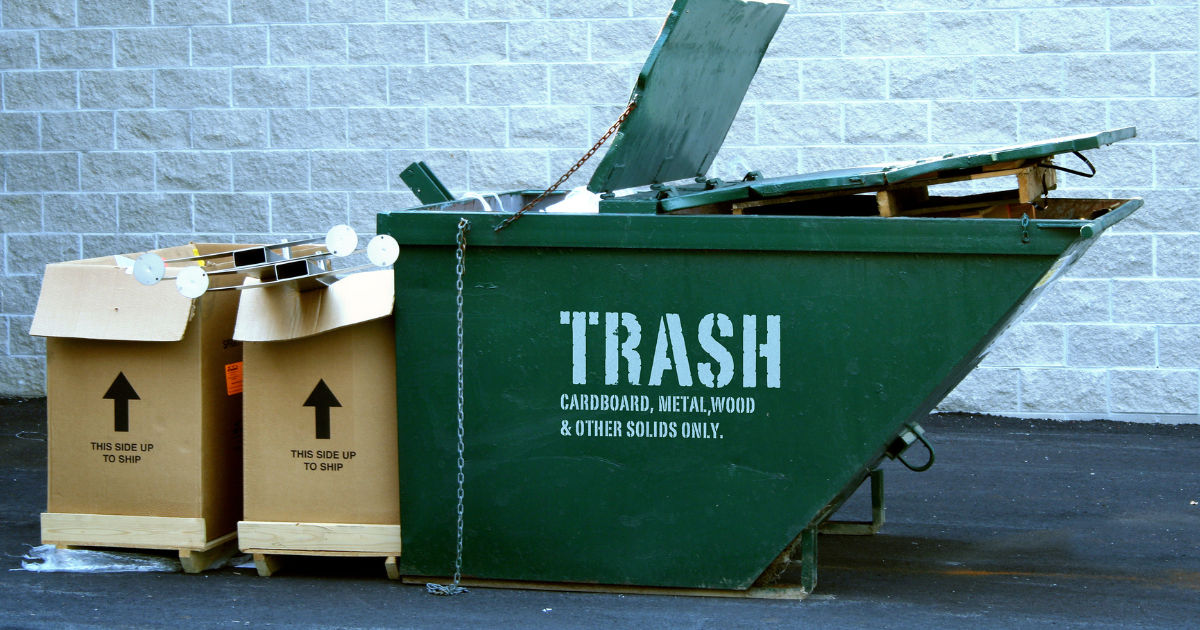
In this guide, we’ll explore how waste management in reno nv works today, why it matters, and what future improvements will shape the way residents handle daily disposal needs. Because the demand for effective waste management in reno nv increases as population expands, understanding the current system helps homeowners and renters participate responsibly.

Residential Waste Streams in Reno

Residential waste in Reno can be grouped into four major categories: household trash, recyclables, green waste, and hazardous materials. Each category is handled differently, and the process behind each one plays a crucial role in the efficiency of waste management in reno nv.

Household trash refers to everyday garbage that residents place into their curbside bins. This waste stream is the largest contributor to landfill expansion, making it one of the most important areas of focus for waste management in reno nv. While a significant amount of trash is unavoidable, proper sorting helps keep recyclable materials out of landfills.

Recyclables include paper, cardboard, metal cans, plastics, and glass. These materials are collected separately, sorted at regional facilities, and processed into reusable resources. The success of recycling programs depends on the accuracy of sorting at the household level, which is an ongoing priority for waste management in reno nv.

Green waste consists of grass clippings, leaves, tree branches, and other organic yard debris. Reno provides seasonal and sometimes year-round programs that support green waste collection, reducing landfill volumes and promoting compost production. Growing interest in green waste programs adds momentum to sustainable waste management in reno nv.

Hazardous materials are items like paint, chemicals, cleaning solvents, pesticides, batteries, and electronics. These materials cannot be placed in curbside bins because they pose health and environmental risks. Instead, residents must use approved drop-off centers coordinated by waste management in reno nv.

Understanding these categories helps residents participate in a cleaner, safer city and ensures that the framework for waste management in reno nv remains efficient and sustainable.

How Reno Organizes Curbside Collection

Reno’s curbside collection system is designed to simplify the disposal process while encouraging residents to follow environmental best practices. The backbone of waste management in reno nv is a schedule that assigns specific collection days for trash, recycling, and green waste depending on neighborhood zones.

Regular trash pickup occurs weekly, allowing residents to dispose of household waste consistently. Recycling and green waste schedules vary but typically follow a biweekly or seasonal routine. Adhering to these schedules ensures collection trucks can operate efficiently, which is critical for waste management in reno nv.

Many residents appreciate the single-stream recycling system, which allows all approved recyclable materials to be placed together in one bin. This convenience has contributed to higher recycling participation rates, a noticeable achievement for waste management in reno nv. However, single-stream recycling also increases contamination risks, meaning that non-recyclable items can harm the entire load. Education remains an essential tool for improving recycling quality and enhancing waste management in reno nv.

Green waste collection follows predictable seasonal patterns, often aligning with periods of heavy yard cleanup in spring and fall. Proper placement of green waste helps crews carry out efficient sorting and composting operations, which is another major goal for waste management in reno nv.

Recycling Infrastructure in Reno

The city’s recycling infrastructure relies heavily on Material Recovery Facilities (MRFs) that sort, clean, and prepare recyclable items for resale or repurposing. The performance of these facilities is directly linked to how residents handle waste at home, making community habits a key factor in waste management in reno nv.

Processing begins when collection trucks deliver mixed recyclables to the facility. Automated equipment, conveyor belts, magnets, air jets, and manual sorters work together to separate materials. When residents follow guidelines accurately, the efficiency of waste management in reno nv increases significantly.

Clean, uncontaminated recyclables support local and regional industries that purchase materials for manufacturing new goods. This circular approach reduces landfill waste, conserves natural resources, and lowers the environmental burden on future generations.

To maintain strong results, community education programs regularly teach residents the correct procedures. These outreach efforts demonstrate how waste management in reno nv depends on shared responsibility, not just city infrastructure.

Green Waste and Composting Initiatives

Green waste collection has become one of the most promising avenues for improving sustainability in Reno. When handled correctly, yard debris can be turned into nutrient-rich compost instead of filling space in local landfills. This shift reduces long-term disposal costs and provides valuable resources for gardeners, landscapers, and city beautification programs.

Seasonal green waste drop-off events are a central feature of waste management in reno nv. Residents gather leaves, branches, and lawn clippings to deliver them to collection sites during designated weekends. These events allow large volumes of organic material to be processed responsibly.

Some neighborhoods have access to curbside green waste carts, an option that continues to expand as demand grows. These carts streamline the process for households and reinforce sustainable habits, further supporting the city’s goals for waste management in reno nv.

The composting process itself involves grinding, layering, and aerating organic materials under controlled temperatures. The resulting compost becomes usable soil amendment, reducing the need for chemical fertilizers and enhancing local soil health. Many environmental experts believe composting will play an even larger role in waste management in reno nv over the next decade.

Handling Hazardous Waste

One of the more complex waste streams is hazardous household waste. Items like old paint, automotive fluids, pesticides, and electronics can cause severe environmental damage if improperly disposed of. This is why waste management in reno nv follows strict protocols for handling such materials.

Reno hosts special collection events and operates regional drop-off points that allow households to dispose of hazardous waste safely. These collections separate toxic substances, prevent contamination, and ensure that the items are treated or recycled according to federal and state regulations.

Electronic waste (e-waste) is an especially important concern. Devices contain metals and chemicals that must be kept out of landfills. For this reason, waste management in reno nv encourages residents to take advantage of e-waste recycling programs to recover reusable components and reduce pollution.

Safely managing hazardous materials protects water resources, soil systems, wildlife habitats, and human health. The more residents comply with guidelines, the more effective waste management in reno nv becomes.

Bulky Waste and Special Items

Households often generate oversized or specialty waste items such as furniture, mattresses, appliances, and construction debris. These materials cannot be placed into regular bins, so waste management in reno nv provides scheduled bulky-item pickups and designated drop-off centers.

Residents may request individual pickups for large objects, especially during move-ins, move-outs, or major cleaning projects. This service prevents illegal dumping and keeps neighborhoods free of abandoned items. Because bulky waste requires different handling methods, waste management in reno nv uses specially equipped trucks and disposal routes to ensure efficiency.

Programs also exist for the safe recycling of appliances containing refrigerants, as well as scrap metal recovery. These services contribute to sustainable waste management in reno nv by diverting reusable materials away from local landfills.

Community Education and Engagement

No waste system can succeed without strong community participation. This is why education plays a central role in waste management in reno nv. Workshops, digital guides, public campaigns, school programs, and seasonal reminders help residents understand how to sort and dispose of materials properly.

Clear communication reduces contamination in recycling streams and increases participation in green waste programs. Educational outreach also strengthens long-term planning for waste management in reno nv by establishing positive habits across the community.

Experiential programs such as facility tours, community cleanups, and volunteer-led recycling drives further encourage environmental stewardship among residents. The more people understand how waste management in reno nv works behind the scenes, the more motivated they become to contribute.

Future Trends and Innovations

As Reno continues to grow, new technologies and strategies are emerging to support waste management in reno nv. These innovations include automated sorting systems, improved composting technologies, smart-collection routing, and expanded recycling markets.

Smart-collection routing uses digital tracking to optimize pickup schedules based on real-time data. This minimizes fuel use and lowers operational costs, which benefits waste management in reno nv over the long term.

Another trend involves community-scale composting hubs that allow neighborhoods to manage organic waste locally. These decentralized solutions enhance sustainability and support local agriculture, adding another layer of resilience to waste management in reno nv.

Manufacturers are also redesigning packaging to be more recyclable or compostable, reducing the burden on regional systems. As more businesses shift toward sustainable products, waste management in reno nv will continue evolving.

Policy and Regulation

Reno’s waste policies are shaped by environmental goals, population changes, and state requirements. Regulations determine how waste management in reno nv allocates resources, establishes pickup schedules, and defines acceptable materials.

Local leaders regularly re-evaluate policies to address landfill capacity, recycling challenges, and hazardous waste protocols. Public feedback is also used to refine how waste management in reno nv operates.

Future regulatory updates may introduce stricter recycling rules, additional composting requirements, or expanded deposit-refund systems. These changes aim to reduce environmental impact and promote responsible consumer habits.

Environmental Impact

The effectiveness of waste management in reno nv has major implications for the region’s air quality, water resources, wildlife, and natural landscapes. Proper waste handling reduces pollution, preserves land, and lowers greenhouse gas emissions from landfill decomposition.

Recycling conserves resources like timber, water, and minerals. Composting enriches soil while cutting methane emissions. Hazardous waste controls protect the environment from toxins. Each of these systems forms an essential pillar of waste management in reno nv.

Conclusion

Waste management in reno nv is a complex but essential part of maintaining a clean, healthy, and sustainable city. By understanding the various waste streams—trash, recyclables, green waste, hazardous materials, and bulky items—residents can make informed choices that support long-term environmental goals. The future will bring new technologies, expanded programs, and refined policies, but community engagement will remain the driving force behind effective waste management in reno nv.

A city’s success in handling waste reflects the habits of its residents. By participating responsibly, supporting recycling efforts, reducing contamination, and using drop-off programs correctly, every household plays a direct role in improving waste management in reno nv. With continued education, investment, and innovation, Reno will be able to manage its growing population and protect the natural beauty of Northern Nevada for generations to come.


20 HANDY REASONS FOR SOLIHULL FIRE EXTINGUISHER SERVICING AND PAT TESTING20 HANDY REASONS FOR SOLIHULL FIRE EXTINGUISHER SERVICING AND PAT TESTING

Top 10 Ways On How To Assess The Qualifications Of Technicians For PAT in Solihull
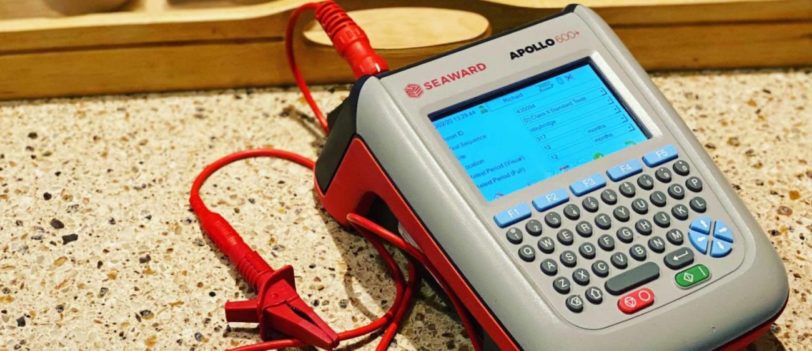
The capability of testers to conduct Portable Appliance Testing represents a crucial element in transforming the mechanical testing method into one that is legally defendable. According to UK legislation (specifically the Electricity at Work Regulations of 1989) there is no mandatory licensing scheme for testers of PAT. Regulation 16 stipulates that people must possess the "technical know-how or experience" necessary to prevent injuries and accidents. In order to meet the "competence" principle, the employers (dutyholder) must select and employ only those with a combination or formal training as well as practical experience and an ability to judge. Due to the lack of a compulsory qualification, there are various capacities of technicians. Therefore, it is essential that the dutyholders know how to prove competence beyond simply having a certificate. A qualified technician doesn't just conduct tests, they know the underlying principles of electrical safety, and can interpret results accurately and make well-informed pass/fail judgments that are based on the IET Code of Practice, and provide valuable risk assessment insights.
1. The Definition of Competence under EAWR, 1989 in Solihull
The lawful requirement is outlined by Regulation 16 of the Electricity at Work Regulations 1989, which mandates that persons are competent enough to avoid injuries and risks. HSE defines competence in terms of "the ability for a person to perform a task with out taking risks for themselves or anyone else." For PAT testing, it's an amalgamation of three components – a good understanding of electrical theory (theory) as well as sufficient knowledge (practical applications) and a good knowledge of the systems (specific appliances and the environments they will be working in). To be legally competent the technician must possess all three.

2. Formal Qualifications as opposed to. Demonstrable Competence in Solihull
Although there isn't a legal requirement for a specific certificate, formal training is the most evident proof of understanding. City & Guilds qualification 2377 ("In-service inspection and testing of electrical equipment") is the industry standard. The possession of this certificate does not imply competence. It has to be taken together with practical experience. Dutyholders must consider the qualifications relevant to their work and evidence of their practical experience. The technician must have extensive experience to prove their expertise.

3. City & Guilds 2377 Qualification What exactly is it?
City & Guilds' 2377 certification is an Level 3 qualification which assesses a candidates knowledge of the IET Code of Practice, and their capacity to conduct tests and inspections properly. The City and Guilds 2377 is available in two distinct parts. 237777 (theory multiple-choice test based on theory) and 237778 (practical assessment). The full certificate shows that the technician has undergone independent assessment of both their theoretical knowledge and their skills in the field. If you are attempting to verify this certification it is recommended to request the certificate's id number and check its validity on the City & Guilds online verification portal, since certificates can be counterfeited.

4. Practical Hands-On experience is essential in Solihull
If a technician isn't able to apply the theory, it is of no use. A competent technician should be able to test appliances in a variety environments. Their experience enables them to detect subtle issues a novice might miss or handle the most unusual equipment in a safe manner and efficiently in challenging environments such as industrial sites or construction sites. The employee should inquire about the number of years of experience the technician has and the kind of site that they work in to determine the relevancy of their experience.

5. The IET Code of Practice for In-Service Inspection and Testing
The IET Code of Practice has become the bible of portable appliance testing. A qualified technician should not just possess a copy however, they should also have an understanding of its content. This means knowing the various types of equipment, the sequence of inspections and visual tests and how to properly employ test instruments. The ability to correctly refer to and follow this guideline is a crucial indicator of their professionalism and competency.

6. Equipment calibration and understanding of Test Instruments
The technician needs to understand that the accuracy of test results is dependent on the equipment they use. To ensure accuracy it is essential that they know that PAT testers should be calibrated regularly (normally every year) by UKAS accredited laboratories. They must have an official certification for their device. In addition, they must know how the device works and also conduct the daily test (e.g. the lead test). They must also be able to interpret the results of the device instead of simply recording numbers.

7. Capability to conduct meaningful visual Inspections in Solihull
A thorough visual inspection can find at least 90% of faults. A highly qualified technician places immense importance on this step and is meticulously examining plugs as well as cables, connectors and casings for damage, wear or indications of excessive heat. They know how to properly connect the plug, as well as the correct fuse ratings. It is possible that a tester who has less experience will rush or skip this process entirely.

8. Judgement and decision-making Interpreting results and applying the Pass/Fail criteria in Solihull
The electronic tester gives readings while the technician renders the final decision. The ability to interpret the results according to the IET Code of Practice, the device and its pass/fail limits is a sign of proficiency. They must know when a reading of insulation resistance is acceptable or when an earth continuity reading seems to be passable may indicate a fault in a particular type of appliance. The ability to make a decision is the real value of a qualified professional.

9. Questions on Liability and Insurance in Solihull
Although it is not required by law, a competent technician should at least have Public Liability Insurance (e.g., PS2-5 million). It protects the client if the technician damages the property during testing. If they hire a technician who is demonstrably competent, the dutyholder can strengthen their legal defence, showing that they have done all they could to locate a competent person. This is crucial should an investigation be carried out into an electrical accident.

10. Communication and documentation skills in Solihull
It's useless to test without accurate and clear documentation. A qualified technologist must produce precise, clear documents and asset registers which correctly identify each appliance. The results of all tests should be documented, with a clear outcome stated. They should also be able to effectively communicate with the responsible person informing them of any faults they find, the risks associated, and what actions are required (e.g. replacement or repair). Communication with the dutyholder is a crucial part of the safety process. Have a look at the best electrical equipment testing in Solihull for more examples.

Top 10 Tips For Tips To Avoid Fire Extinguisher Coverage And The Solihull in Solihull
The geographic Solihull, service coverage, and the reliability the fire safety company are all impacted by the geographic Solihull, coverage of services as well as the service provided by the company. In the UK in the UK, in which the Regulatory Reform Order (Fire Safety) 2005 demands constant and timely maintenance of fire extinguishers the presence of a service provider as well as their logistical capabilities, directly impact their ability to meet contractual and legal requirements. In deciding between a company with a broad geographic coverage and a specialist local who has a deep understanding of the region, you must carefully consider responses times and travel expenses. Also, you should be aware of cultural knowledge and regional compliance. A provider's operational footprint–their depot Solihulls, engineer distribution, and territory management–determines whether they can offer genuine rapid response or merely theoretical coverage, making this a critical factor in ensuring your premises remain protected and compliant without suffering from excessive downtime or hidden charges related to geographic constraints.
1. National vs. Regional Provider operational models
The UK market has large national companies that have extensive networks and smaller, localised experts. National companies typically operate through regional depots, a dispersed network of engineers and branding consistency. They can manage large multi-site projects across the UK. Their advantages are scalability and often robust backup systems. Local providers can provide in-depth knowledge of specific areas (e.g. Southeast Scotland, Scotland) which could result in a more personalised quality of service, and very fast response times within their core territory. It is important to know if an international provider is effective in your particular area or is at the very edge of their coverage. That can mean more time to respond and greater cost of mileage.

2. Engineer Density of Your Postcode
The single most important factor for practical service delivery is the Solihull to a permanent and fully equipped engineer at your site. The service provider might claim "UK-wide coverage," however this will be not relevant if their closest engineer is two hours away. It is important to ask the provider: "Where's your nearest engineer situated near the postal code we have?" Ask "How many engineers are in my Geographic Area?" The high number of engineers in an area means shorter time to travel for scheduled visits, speedier intervention in emergencies, and less chances of having appointments cancelled due to unforeseen delays or other issues in the.

3. Rates of Mileage and Callout Costs in Solihull
The Solihull directly affects cost via mileage policies. A transparent provider will have a clear and concise policy included in their estimate. Many businesses offer a specific number of "free miles" that they can travel from their base or a nearby depot. Beyond that there is a per-mile fee applied. The costs are usually high in rural and remote regions. The costs could be substantial which is why it is crucial to get a written estimate that is based on your specific Solihull. Local providers are not required to charge for mileage within their core counties, giving businesses in the area a cost-saving advantage.

4. Regional Compliance Nuances and Regulations
There are a few important differences in the laws governing fire safety across Great Britain. England and Wales operate under the Regulatory Reform (Fire Safety) Order 2005. Scotland is governed by the Fire (Scotland) Act, 2005. This Act has several regulations and can have slight differences in the emphasis placed on enforcement. Northern Ireland has separate legislation. The service providers will have office staff and engineers who are experienced and skilled in regional specifics.

5. Multi-Site Contract Management (Multi-Site Contract Management) and National Account Coordination in Solihull
For companies with multiple Solihulls throughout the UK (e.g., retail chains, franchises and property management companies) The ability of a company to offer seamless coordination of national accounts is paramount. A centralised account manager working in concert with the regional engineers is needed for this to happen. The service provider should demonstrate an advanced scheduling and communication platform that ensures consistency in service delivery, uniform pricing, and unifying reporting. All via a single point contact, regardless of whether your offices are in London, Manchester, or Glasgow. This eliminates all the hassle of managing several local contracts.

6. Warehouse and Depot Infrastructure in Solihull
The physical infrastructure of a service provider is a significant indicator of its service capabilities. Local depots aren't just administrative offices. They're crucial logistic hubs that stock extinguishers parts, replacements and consumables, among other things. If an engineer is close to a depot that is well-stocked it is possible to replenish the stock quickly and resolve many issues within a single visit. Engineers may not have the items they require if a provider is covering your area, but their closest warehouse may be a long distance away. This could lead to delays and repeated visits for basic tasks.

7. Planning for the worst case scenario and redundant engineers in Solihull
Plans for contingency are essential for sudden events, like illness or annual leave. If your provider offers a limited coverage, they may only have one engineer who is responsible for an extensive geographical area. In the event that the engineer is unavailable and your service is delayed or completed by a different engineer who is from a distance. This could compromise the quality. Redundancy is a feature of the service of a company that has multiple engineers within a area. This will ensure uninterrupted service, while also protecting your company from compliance issues caused due to internal resourcing issues.

8. Urban vs. Rural Service Challenges
Urban and rural regions have different service needs. Servicing an office building within Central London can be costly and difficult due to congestion fees in London, ULEZ compliance and the lack of parking. Rural areas face challenges such as longer travel time remote access, and possibly poor mobile signal. A company with experience in your type of area will have a custom-made protocol and pricing that will help you manage these issues effectively.

9. Verification of Claims for Coverage through Client References in Solihull
Check the coverage provided by the provider. Asking local businesses for references is the most effective way to find out about the quality of service provided by a particular provider. A local business that is similar to yours regarding the service they received will give you an idea of what the provider is like. Were they responsive? Did the engineer live locally? Did you have to pay additional mileage costs? This is a great way to confirm (or to disprove) the claim of a service's capabilities within your local area.

10. Contractual Guarantees tied to Geographic Performance in Solihull
In the end, any coverage guarantee must be supported by the terms of the contract. The Service Level Agreement (SLA) should also include geographical performance metrics. For instance, it can ensure that scheduled services will be performed by an engineer based within a specific radius, or that a call-out in an emergency will be responded to from a designated local depot within the specified time. This establishes the coverage promises of the service provider and permits you to initiate action if the actual performance or presence of the service provider fails to meet their promises. See the most popular fire protection in Solihull for site examples.

20 HANDY PIECES OF ADVICE FOR BURNTWOOD FIRE EXTINGUISHER SERVICING AND PAT TESTING20 HANDY PIECES OF ADVICE FOR BURNTWOOD FIRE EXTINGUISHER SERVICING AND PAT TESTING

Top 10 Tips To Assess The Extent Of PAT Services in Burntwood
The scope of the services provided by Portable Appliance Testing (PAT) in the UK goes beyond the simple application of a testing device to an electrical outlet. A complete PAT is an entire system of electrical equipment management, designed to meet the needs of the duty holder in the Electricity at Work Regulations, 1989, and the Health and Safety at Work Act 1974. The scope of services include an initial risk assessment, development of policies physical testing, thorough documents, as well as ongoing guidance. When choosing a maintenance service knowing the entire scope is key to ensuring that they provide more than a transactional. A narrow scope can lead to problems with compliance. But, a too expansive or unneeded service could cause waste of resources. PAT programs that work are designed to fit the environment of the company, its equipment profile, and risk profile. They provide security and compliance.
1. Initial Risk Assessment and Policy Development
The basis of a compliant PAT service is a formal risk assessment. A reputable provider will provide this as a core service, not an add-on. A consultant will be on site to determine the kind of electrical equipment employed, the Burntwood in which it is operating (e.g. workshop, office, or construction site) as well as the competence level of the users. The output is a documented risk assessment that justifies an individualized test and inspection plan, specifying frequencies for different classes of equipment. This service may include creating an official PAT Testing Policy for the client, defining responsibility and defining the procedures.

2. Asset Register Creation and Management
The creation and maintenance of precise asset records is a core service. This is more than just a list of assets and a database that forms the backbone of the compliance record. The register must contain an unique ID, description, Burntwood (class I or II) as well as the type of appliance, serial number and manufacturer for each appliance. A full-scope of service will include marking every appliance with its own unique identification number and providing access to a version digital of the register, which is updated after each testing cycle.

3. Formal Visual Inspection in Burntwood
This is the component which can detect up to 90% defects. A comprehensive service includes a thorough visual inspection carried out by a trained technician. This includes checking the plug for damage and ensuring that the wiring is correct, as well as the fuse rating. This service, which is usually more beneficial than the actual testing conducted electronically, must be properly documented.

4. Combined Inspection and Testing (Electronic Tests)
The primary service is to use an instrument calibrated by PAT to conduct a variety of electronic safety tests. Specific tests vary according to classification of the equipment. However, they typically include Earth Continuity in Class I, Insulation resistance and Lead Polarity Checks. Technicians will be able to accurately interpret the results according to the IET codes of practice as well as understand which tests are needed.

5. Repair and Remediation Services
If a company has an extensive range of services, they will provide remediation services. They may range from simple fixes such as changing a plug or fuses to more complicated repairs. Some providers have a workshop where they fix defective products, or offer a swap-out service that includes refurbished equipment. Importantly, they take care of the entire process: taking care of the equipment that is damaged as well as repairing it, retesting it, and updating the asset register and certifying. This provides a seamless solution for the client.

6. Certification and reporting to support comprehensive certification in Burntwood
It is impossible to provide a complete service without thorough documentation. This includes an Certificate of Compliance (Certificate of Compliance) for the entire testing and a report listing each appliance that was tested along with its unique identification, test results and a pass/fail rating. Additionally, it includes the date for your next inspection. Online portals are available from the top companies, allowing customers to access their asset register, certificates and audit reports anytime.

7. Advisory and Consultancy Services
Expert advice is included in a premium service, beyond testing. The service can cover a range of areas such as: advising clients on the suitability and safety of electrical equipment for specific tasks or environments; providing guidance for workers working from home on taking care of their electrical safety helping them understand the legal requirements they have to follow; and helping in the response to HSE questions or insurance inquiries. This type of service transforms a company of testers into an essential partner in electrical safety.

8. User Awareness Training in Burntwood
Some training companies instruct their employees of clients to create a safe culture. Participants are taught how to perform pre-use visual inspections (a PUWER requirement from 1998), how to identify risks, and how to report defects in equipment. In this manner, empowering users greatly improves safety and decreases the chance of damage to equipment between regular inspection intervals.

9. Hire Equipment and Contractor Equipment Management in Burntwood
In a complete service, there are procedures for the administration of electrical devices brought on-site by contractors or external companies. The provider can establish a process whereby all such equipment has to be brought in for testing and inspection prior to being used on the premises. The provider can prepare a log for temporary equipment and certify it, to make sure that the client's site is compliant and safe even with the addition of external assets.

10. Programme management and review ongoing in Burntwood
A PAT test programme is a continuous procedure and not a single event. A full-service company provides ongoing management. They will schedule future testing rounds in accordance with agreed risk-based time intervals, and send reminders and review annual risk assessments. This review is critical to adjust frequencies based on the outcomes of prior tests–extending intervals to ensure that equipment is reliable or reducing them to accommodate problematic items–ensuring the programme remains efficient, effective and compliant throughout the duration of. View the recommended Burntwood electrical equipment testing for site advice.

Ten Tips To Service Contracts On Fire Extinguisher Servicing in Burntwood
Entering into a service contract to maintain fire extinguishers is a significant decision that goes far beyond a simple cost consideration. Within the UK regulatory framework, which is governed under the Regulatory Reform (Fire Safety) Order of 2005 A service contract is the legal mechanism through which the person responsible fulfills his or her legal duty to maintain the fire-fighting apparatus. A well-structured contract for service ensures compliance and clarifies responsibilities for the parties. Conversely, a poorly drafted agreement can create false security, hidden liability, and possibly compliance gaps. Knowing the intricate elements of these contracts ranging from inclusion clauses and pricing models to the termination clauses and limitations on liability–is vital when selecting a vendor who will not just maintain your equipment but will actively take on your legal responsibilities and contribute to a robust fire safety plan.
1. Types of Contracts: Full-Compliance Time-and-Materials? in Burntwood
Understanding the basic structure of your contract will allow you make informed choices. The most comprehensive choice is to opt for the Full Compliance or an Inclusive Contract. The company will assume the entire obligation for maintenance scheduled (annual five-year, ten-year, or annual), parts, labour and refill agents in exchange for a fixed fee. They schedule appointments in advance and make sure all work is recorded. This model offers budget certainty and transfers the risk of unanticipated charges to the service company. A Time-and Materials contract or a Call-Out Contract, on other hand, typically covers only the essential annual service. Additional work, like an annual discharge test for 5 years or repairs, will be charged separately as an extra. This could result in unexpected expenses and make it difficult to work with more complicated schedules for service.

2. Pricing Structures and Transparency
A reputable contract will contain a pricing structure that is clear and specific. Review the contract to make sure it clearly breaks down costs. Does the quote include an amount for each type of extinguisher? There are different items for the annual services as well as a projection of the cost for the future extension of service, even if they're there is no inclusion. It is important to know about any hidden charges. It is important to inquire about the cost of mileage, call out fees administration costs, as well as the cost to replace extinguishers which are damaged or outdated. Transparency helps build trust and facilitates accurate budgeting.

3. Scope of Services: Specifically What is (and isn't) Included
This is at the core of any contract. The document should clearly define what services are covered. What is included in the price?
What are the basic annual services?
All Extended 5-year Services (displacement tests for water foam and powder)? in Burntwood
Do CO2 pressure tests and 10 year overhaul tests include all the CO2? in Burntwood
Replacement of parts (seals, pins, hoses and valves)?
Refill agents? in Burntwood
Loan of equipment for lengthy repairs? in Burntwood
Equally important is a clear exclusions list like replacing vandalised or stolen equipment, or repairs that are required due to malicious damage.

4. Service Scheduling Protocols
The contract should outline the provider's obligations regarding scheduling. Are they going to contact you in order to set up an annual visit? What amount of notice do they intend to give you? What is the protocol for the engineer's arrival–should they arrive at reception, and will they require accompaniment? The contract should also specify the duration of the typical service call will require for the dimensions of your facility as well as the best way to carry out the work without causing as much disruption as feasible. This is crucial for areas that have significant levels of traffic, such as a retail store, hospital and so on.

5. Documentation Delivery and Certification in Burntwood
Documentation is not a privilege; it is a legal necessity. The contract needs to clarify the manner in which certifications will take place and the date it will occur. After each service, you need to receive a detailed Service Report that lists all items that were serviced, as well as the type of service rendered, and any suggestions or issues discovered. This report is the primary evidence that you are in compliance with all laws and regulations. It should be filed promptly. The contract should specify the person who will receive it, and in the format (e.g. digital PDF or online portal access, hard copy).

6. The Fault Resolution Policy and the Equipment Replacement Policy in Burntwood
A crucial clause will describe the procedure to be followed in dealing with equipment that is damaged. What is their definition of "beyond economically repair" (beyond the point of repair for economic reasons)? What are their guidelines regarding the use of extinguishers that are not deemed to be safe? The contract must state clearly who is responsible for the replacement cost. If there aren't any exclusions (such as theft) the information must be included in the contract. The contract should also state the period for providing and installing the replacement in order to ensure your premises are not inaccessible for a prolonged period of time.

7. Response Times to Emergency and Reactive Work in Burntwood
The emergency has not been scheduled. The contract should outline the provider's commitment to responding to urgent issues for instance, an accidental discharge or vandalism. Does the service provider has a dedicated phone number? What is your guarantee on time to respond for a callback, as well as the time of arrival of an engineer on site? These terms can be classified by severity and may incur extra costs for certain types of contracts.

8. Indemnity and Liability Insurance in Burntwood
This is a crucial safeguard. The contract should specify the limits of Public Liability Insurance and Professional Indemnity Insurance. Make sure that the insurance they hold is current and in good condition. Additionally, you must review clauses which restrict the liability of the company. The standard is to cap liability at the amount of the agreement. However, this should be a reasonable limit.

9. Contract duration, renewal, and the clauses that govern termination in Burntwood
Know what you're agreeing to. Is the contract an annual roll-over contract or does it lock you in for a longer term, such as 3 or 5 years? What is the notice of termination duration? Are there any penalties for early termination? The renewal agreement must contain a clause that states that the provider cannot automatically transfer the contract without providing an updated quotation. You are entitled to end the contract if there is any breach, such as, if you consistently do not attend your appointments or give a certificate.

10. Clauses on Subcontracting, Assignment and Transfer in Burntwood
Check any clauses that allow the provider to subcontract or assign the contract. While subcontracting is not uncommon however, it is crucial to make sure that the contract stipulates that all subcontractors must possess the same level of certification (e.g. the BAFE Sp101) and insurance coverage as the primary service provider. This ensures quality and compliance is maintained regardless of the person performing the task. Your business is protected from a dilution in the standards. Take a look at the most popular Burntwood fire extinguisher service for website tips.