
Reno, Nevada continues to grow quickly, and with that growth comes a long list of challenges related to residential waste. Every neighborhood, every apartment community, and every small housing development contributes to a citywide flow of garbage, recyclables, yard debris, bulky waste, and hazardous materials.
To keep the city clean, efficient, and environmentally responsible, local programs for waste management in reno nv must adapt to changing regulations, technologies, and community expectations.
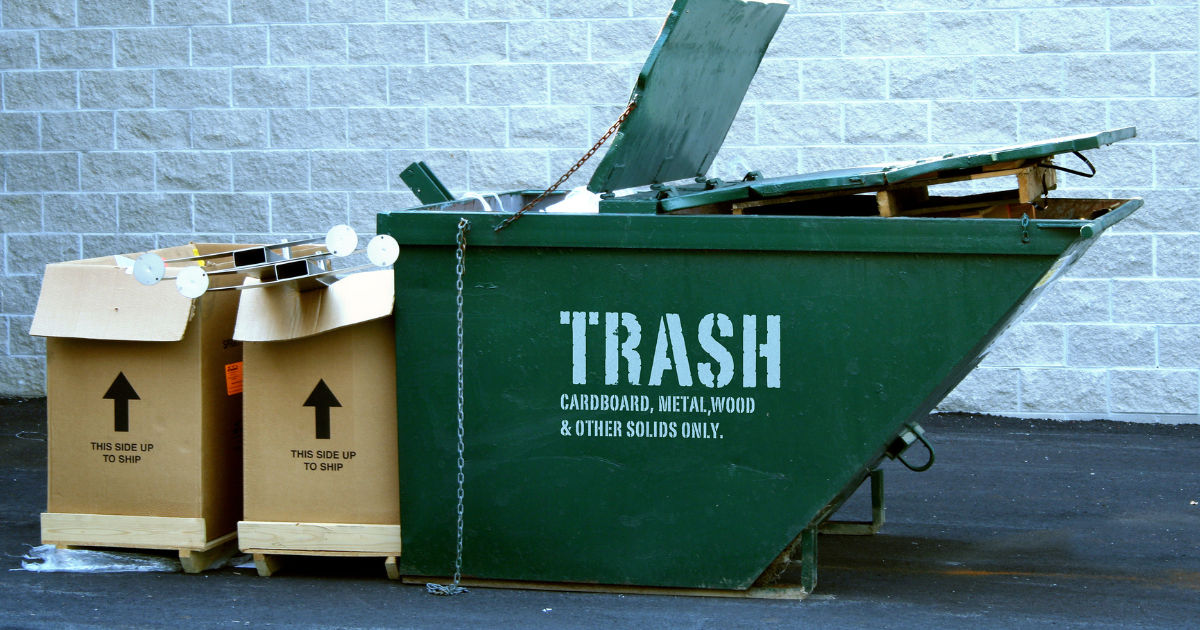
In this guide, we’ll explore how waste management in reno nv works today, why it matters, and what future improvements will shape the way residents handle daily disposal needs. Because the demand for effective waste management in reno nv increases as population expands, understanding the current system helps homeowners and renters participate responsibly.
Residential Waste Streams in Reno
Residential waste in Reno can be grouped into four major categories: household trash, recyclables, green waste, and hazardous materials. Each category is handled differently, and the process behind each one plays a crucial role in the efficiency of waste management in reno nv.
Household trash refers to everyday garbage that residents place into their curbside bins. This waste stream is the largest contributor to landfill expansion, making it one of the most important areas of focus for waste management in reno nv. While a significant amount of trash is unavoidable, proper sorting helps keep recyclable materials out of landfills.
Recyclables include paper, cardboard, metal cans, plastics, and glass. These materials are collected separately, sorted at regional facilities, and processed into reusable resources. The success of recycling programs depends on the accuracy of sorting at the household level, which is an ongoing priority for waste management in reno nv.
Green waste consists of grass clippings, leaves, tree branches, and other organic yard debris. Reno provides seasonal and sometimes year-round programs that support green waste collection, reducing landfill volumes and promoting compost production. Growing interest in green waste programs adds momentum to sustainable waste management in reno nv.
Hazardous materials are items like paint, chemicals, cleaning solvents, pesticides, batteries, and electronics. These materials cannot be placed in curbside bins because they pose health and environmental risks. Instead, residents must use approved drop-off centers coordinated by waste management in reno nv.
Understanding these categories helps residents participate in a cleaner, safer city and ensures that the framework for waste management in reno nv remains efficient and sustainable.
How Reno Organizes Curbside Collection
Reno’s curbside collection system is designed to simplify the disposal process while encouraging residents to follow environmental best practices. The backbone of waste management in reno nv is a schedule that assigns specific collection days for trash, recycling, and green waste depending on neighborhood zones.
Regular trash pickup occurs weekly, allowing residents to dispose of household waste consistently. Recycling and green waste schedules vary but typically follow a biweekly or seasonal routine. Adhering to these schedules ensures collection trucks can operate efficiently, which is critical for waste management in reno nv.
Many residents appreciate the single-stream recycling system, which allows all approved recyclable materials to be placed together in one bin. This convenience has contributed to higher recycling participation rates, a noticeable achievement for waste management in reno nv. However, single-stream recycling also increases contamination risks, meaning that non-recyclable items can harm the entire load. Education remains an essential tool for improving recycling quality and enhancing waste management in reno nv.
Green waste collection follows predictable seasonal patterns, often aligning with periods of heavy yard cleanup in spring and fall. Proper placement of green waste helps crews carry out efficient sorting and composting operations, which is another major goal for waste management in reno nv.
Recycling Infrastructure in Reno
The city’s recycling infrastructure relies heavily on Material Recovery Facilities (MRFs) that sort, clean, and prepare recyclable items for resale or repurposing. The performance of these facilities is directly linked to how residents handle waste at home, making community habits a key factor in waste management in reno nv.
Processing begins when collection trucks deliver mixed recyclables to the facility. Automated equipment, conveyor belts, magnets, air jets, and manual sorters work together to separate materials. When residents follow guidelines accurately, the efficiency of waste management in reno nv increases significantly.
Clean, uncontaminated recyclables support local and regional industries that purchase materials for manufacturing new goods. This circular approach reduces landfill waste, conserves natural resources, and lowers the environmental burden on future generations.
To maintain strong results, community education programs regularly teach residents the correct procedures. These outreach efforts demonstrate how waste management in reno nv depends on shared responsibility, not just city infrastructure.
Green Waste and Composting Initiatives
Green waste collection has become one of the most promising avenues for improving sustainability in Reno. When handled correctly, yard debris can be turned into nutrient-rich compost instead of filling space in local landfills. This shift reduces long-term disposal costs and provides valuable resources for gardeners, landscapers, and city beautification programs.
Seasonal green waste drop-off events are a central feature of waste management in reno nv. Residents gather leaves, branches, and lawn clippings to deliver them to collection sites during designated weekends. These events allow large volumes of organic material to be processed responsibly.
Some neighborhoods have access to curbside green waste carts, an option that continues to expand as demand grows. These carts streamline the process for households and reinforce sustainable habits, further supporting the city’s goals for waste management in reno nv.
The composting process itself involves grinding, layering, and aerating organic materials under controlled temperatures. The resulting compost becomes usable soil amendment, reducing the need for chemical fertilizers and enhancing local soil health. Many environmental experts believe composting will play an even larger role in waste management in reno nv over the next decade.
Handling Hazardous Waste
One of the more complex waste streams is hazardous household waste. Items like old paint, automotive fluids, pesticides, and electronics can cause severe environmental damage if improperly disposed of. This is why waste management in reno nv follows strict protocols for handling such materials.
Reno hosts special collection events and operates regional drop-off points that allow households to dispose of hazardous waste safely. These collections separate toxic substances, prevent contamination, and ensure that the items are treated or recycled according to federal and state regulations.
Electronic waste (e-waste) is an especially important concern. Devices contain metals and chemicals that must be kept out of landfills. For this reason, waste management in reno nv encourages residents to take advantage of e-waste recycling programs to recover reusable components and reduce pollution.
Safely managing hazardous materials protects water resources, soil systems, wildlife habitats, and human health. The more residents comply with guidelines, the more effective waste management in reno nv becomes.
Bulky Waste and Special Items
Households often generate oversized or specialty waste items such as furniture, mattresses, appliances, and construction debris. These materials cannot be placed into regular bins, so waste management in reno nv provides scheduled bulky-item pickups and designated drop-off centers.
Residents may request individual pickups for large objects, especially during move-ins, move-outs, or major cleaning projects. This service prevents illegal dumping and keeps neighborhoods free of abandoned items. Because bulky waste requires different handling methods, waste management in reno nv uses specially equipped trucks and disposal routes to ensure efficiency.
Programs also exist for the safe recycling of appliances containing refrigerants, as well as scrap metal recovery. These services contribute to sustainable waste management in reno nv by diverting reusable materials away from local landfills.
Community Education and Engagement
No waste system can succeed without strong community participation. This is why education plays a central role in waste management in reno nv. Workshops, digital guides, public campaigns, school programs, and seasonal reminders help residents understand how to sort and dispose of materials properly.
Clear communication reduces contamination in recycling streams and increases participation in green waste programs. Educational outreach also strengthens long-term planning for waste management in reno nv by establishing positive habits across the community.
Experiential programs such as facility tours, community cleanups, and volunteer-led recycling drives further encourage environmental stewardship among residents. The more people understand how waste management in reno nv works behind the scenes, the more motivated they become to contribute.
Future Trends and Innovations
As Reno continues to grow, new technologies and strategies are emerging to support waste management in reno nv. These innovations include automated sorting systems, improved composting technologies, smart-collection routing, and expanded recycling markets.
Smart-collection routing uses digital tracking to optimize pickup schedules based on real-time data. This minimizes fuel use and lowers operational costs, which benefits waste management in reno nv over the long term.
Another trend involves community-scale composting hubs that allow neighborhoods to manage organic waste locally. These decentralized solutions enhance sustainability and support local agriculture, adding another layer of resilience to waste management in reno nv.
Manufacturers are also redesigning packaging to be more recyclable or compostable, reducing the burden on regional systems. As more businesses shift toward sustainable products, waste management in reno nv will continue evolving.
Policy and Regulation
Reno’s waste policies are shaped by environmental goals, population changes, and state requirements. Regulations determine how waste management in reno nv allocates resources, establishes pickup schedules, and defines acceptable materials.
Local leaders regularly re-evaluate policies to address landfill capacity, recycling challenges, and hazardous waste protocols. Public feedback is also used to refine how waste management in reno nv operates.
Future regulatory updates may introduce stricter recycling rules, additional composting requirements, or expanded deposit-refund systems. These changes aim to reduce environmental impact and promote responsible consumer habits.
Environmental Impact
The effectiveness of waste management in reno nv has major implications for the region’s air quality, water resources, wildlife, and natural landscapes. Proper waste handling reduces pollution, preserves land, and lowers greenhouse gas emissions from landfill decomposition.
Recycling conserves resources like timber, water, and minerals. Composting enriches soil while cutting methane emissions. Hazardous waste controls protect the environment from toxins. Each of these systems forms an essential pillar of waste management in reno nv.
Conclusion
Waste management in reno nv is a complex but essential part of maintaining a clean, healthy, and sustainable city. By understanding the various waste streams—trash, recyclables, green waste, hazardous materials, and bulky items—residents can make informed choices that support long-term environmental goals. The future will bring new technologies, expanded programs, and refined policies, but community engagement will remain the driving force behind effective waste management in reno nv.
A city’s success in handling waste reflects the habits of its residents. By participating responsibly, supporting recycling efforts, reducing contamination, and using drop-off programs correctly, every household plays a direct role in improving waste management in reno nv. With continued education, investment, and innovation, Reno will be able to manage its growing population and protect the natural beauty of Northern Nevada for generations to come.